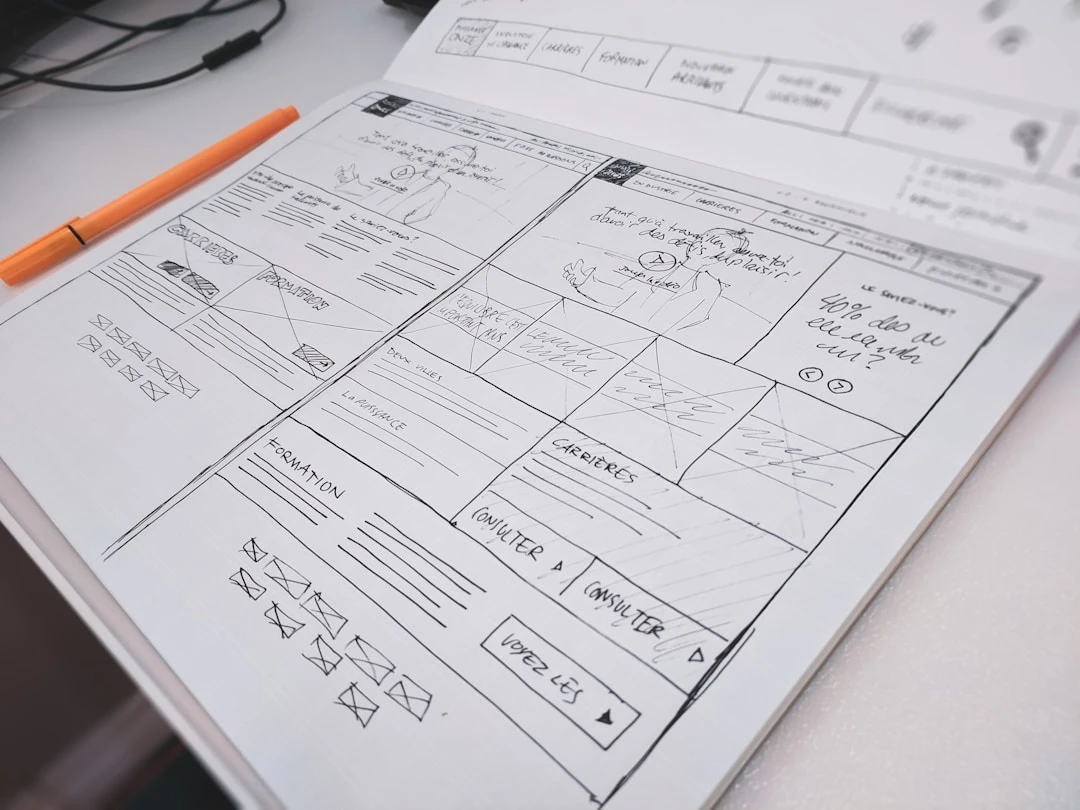
Understand the goals and scope
A successful redesign starts by asking, “Why are we doing this in the first place?” Is the existing site visually outdated, struggling with low conversions, or failing to reflect a new brand direction? GoodFirms note that 38.5% of designers attribute bad or dated design as a key reason for users leaving the website. So, draft the terms of reference for everyone involved as a mission statement.
For instance, your primary goal may be to boost online sales. Then, every wireframe decision from homepage layout to product page structure should revolve around reducing friction in the purchase path. That might mean front-loading product details or streamlining the cart process.
Lay down key metrics that will define the success of the redesign
Wielding clear metrics (like conversion rates, user session lengths, or page-load times) keeps everyone on the same page. If there’s a baseline you’re trying to improve upon—say your bounce rate is 70%—make that the official target to measure success.
Ideally, you’ll try and adopt the HEART framework as suggested below.

So, when you are setting a goal, include a metric with a mission statement like, “Redesign a landing page aims to slash the bounce rate from 70% to 50% in the first quarter post-launch.”